Herbs & supplements
Huperzine A and Phosphatidylserine: Two Memory Ingredients, Explained
These two names show up on many memory supplement labels, often side by side. They work in very different ways, they carry very different cautions, and one of them deserves a conversation with your doctor before you try it.
By the Memory Notes editorial team · Updated · 4 min read

Huperzine A
What it is
Huperzine A is a compound extracted from Chinese club moss, Huperzia serrata, a plant long used in traditional Chinese medicine. Today it’s usually purified and added in small amounts to memory and focus formulas.
Because huperzine A is active in tiny amounts, the dose printed on the label matters. Products vary widely, and some list it inside a blend without stating how much is there, which makes it impossible to know what you’re actually taking.
How it works
Your brain uses a messenger called acetylcholine for attention, learning and memory, and an enzyme breaks acetylcholine down after it’s used. Huperzine A blocks that enzyme, so acetylcholine lingers longer. That is essentially the same approach used by a class of prescription memory medications, which explains both why it attracted interest and why it calls for caution.
What research shows
Most studies of huperzine A were done in people who already had dementia, and many were small, short or of uneven quality. Reviews of that research describe possible benefits on some measures but rate the evidence as weak. There’s very little good research in healthy adults with ordinary, age-related forgetfulness, and long-term safety hasn’t been well studied.
Safety cautions
- Prescription memory medication: don’t combine huperzine A with medicines of the same type unless your doctor approves, because effects and side effects can add up.
- Heart rate: it may slow the heart, so people with a slow heart rate or a heart-rhythm problem should avoid it unless cleared.
- Lungs and gut: extra acetylcholine activity can be a problem for people with asthma or other lung conditions, stomach ulcers, or bowel or urinary blockages.
- Seizures: anyone with a seizure disorder should check with their doctor first.
- Surgery: tell your surgical team, because it may interact with some anesthesia medicines.
- Common side effects: nausea, diarrhea, sweating, blurred vision, restlessness and muscle twitching.
- Pregnancy and nursing: avoid it; there isn’t enough safety information.
Phosphatidylserine (PS)
What it is
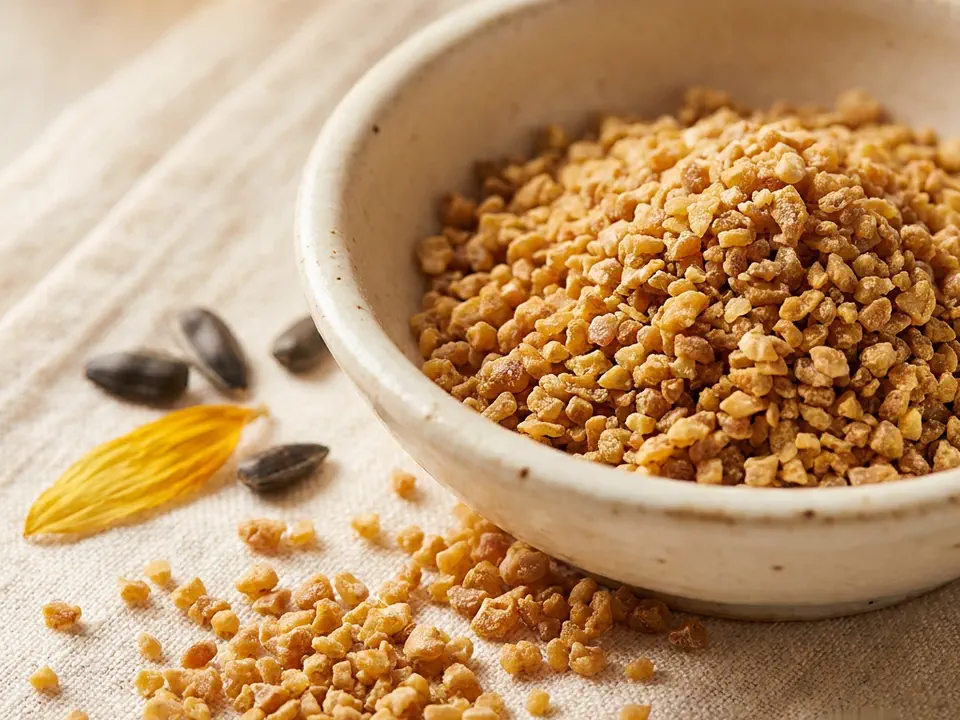
Phosphatidylserine is a phospholipid, one of the fat-like molecules that make up the membranes around every cell. It’s especially concentrated in the brain, where it helps nerve cells send and receive signals. Your body makes it, and you also get small amounts from foods such as fish, organ meats, white beans and soy.
Where supplements come from
The first PS supplements were made from cow brain, and much of the older research used that form. Concerns about diseases that spread through animal brain tissue led manufacturers to switch to plant sources, so most PS sold today is made from soy or sunflower lecithin. That matters because the plant-derived form has been studied less, and results from the older research don’t automatically carry over.
What research shows
Some studies in older adults with memory complaints reported modest improvements on certain memory tests, while others found no clear benefit. Overall the picture is limited and mixed, built mostly on small studies. It’s a reasonable ingredient to be curious about, not one with strong evidence behind it.
Safety cautions
- Soy allergy: check whether the PS in a product comes from soy or sunflower.
- Side effects: usually mild, such as stomach upset or trouble sleeping at higher doses.
- Medications: ask your doctor if you take blood thinners or medicines that affect acetylcholine, including prescription memory medications.
How they compare
| Huperzine A | Phosphatidylserine | |
|---|---|---|
| Source | Chinese club moss | Soy or sunflower (older products: cow brain) |
| How it’s thought to work | Slows the breakdown of acetylcholine | Part of nerve cell membranes |
| Evidence | Weak, mostly in people with dementia | Limited and mixed |
| Biggest caution | Adds to prescription memory medication; may slow heart rate | Soy allergy; check your medications |
Both often appear in combination formulas, so read the amounts on the Supplement Facts panel. Our memory supplement checklist explains what else to look for, and bacopa for memory covers another ingredient that often appears alongside these two.
Frequently asked questions
Is huperzine A safe to take every day?
Long-term safety hasn’t been well studied. It acts like a class of prescription memory medications, may slow heart rate and causes side effects such as nausea in some people. Talk to your doctor before taking it, especially alongside other medications.
Can I take huperzine A with prescription memory medication?
Not without your doctor’s approval. Huperzine A works in a similar way to some prescription memory medications, so combining them can increase both effects and side effects.
What is phosphatidylserine made from?
Most supplements today are made from soy or sunflower lecithin. Older products, and much of the early research, used phosphatidylserine from cow brain, which is rarely sold now.
Does phosphatidylserine help memory?
Some studies in older adults reported modest improvements on certain memory tests, but results are mixed and many studies were small. It’s an ingredient with limited evidence, not an established fix.
Keep reading
 Herbs & supplements
Bacopa Monnieri for Memory: What to Know Before Trying It
Bacopa monnieri for memory: what this Ayurvedic herb is, what human studies suggest, how people take it, side effects and who should avoid it.4 min read Buying guide
Memory Supplements: What to Look for on the Label
A label checklist for memory supplements: ingredients and amounts, proprietary blends, independent testing, interactions, honest expectations and red flags.4 min readThis article is general information, not medical advice, and it doesn’t replace a conversation with your doctor or pharmacist. Last updated November 3, 2026. Spotted an error? Write to support@memohoney.blog.